


Training Details
EDP I
Training Description
Project Management Techniques in Urban Planning
(EDP_24_01)
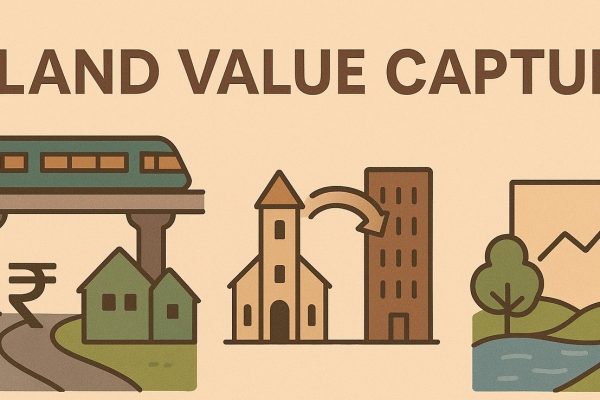
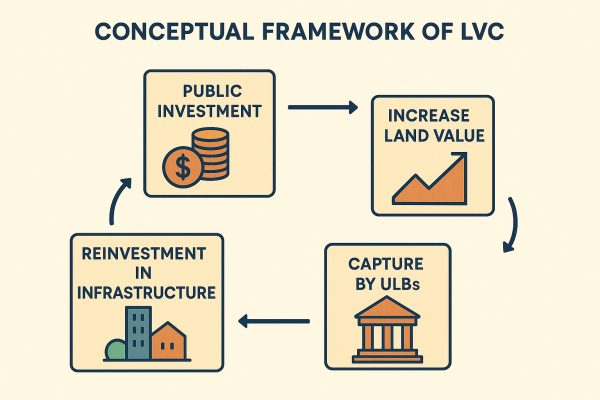
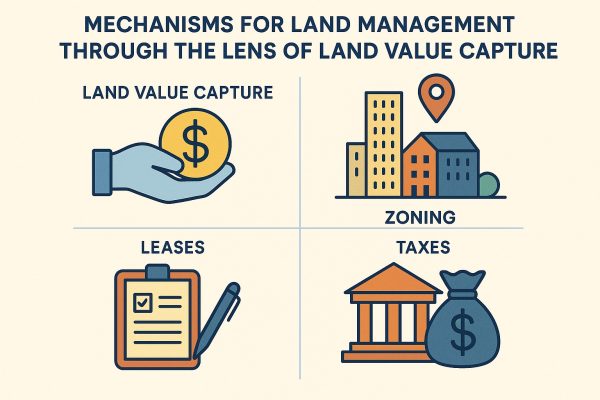
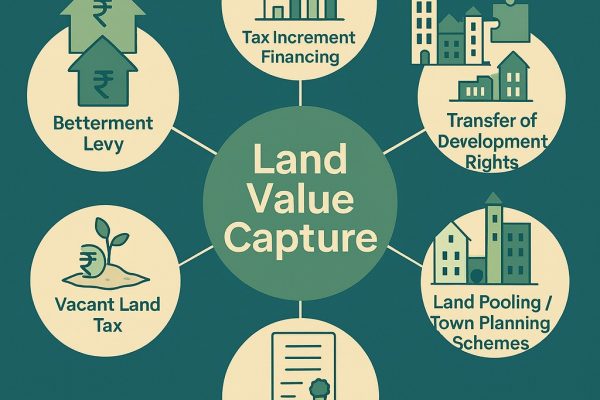
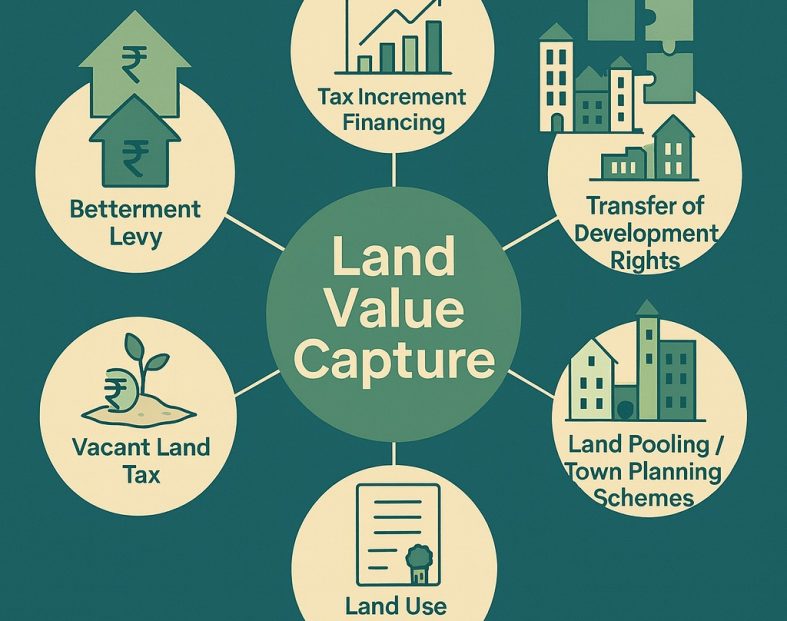
Land pooling, land readjustment, and other innovative land management approaches are gaining recognition as viable alternatives to compulsory land acquisition, particularly in urban areas with significant infrastructure investments. These methods offer a more inclusive and efficient solution, benefiting both governments and landowners. By adopting these approaches, governments can upgrade neighborhoods without relying on eminent domain, while landowners enjoy improved living conditions and increased property values. This course is designed for policymakers and practitioners seeking to understand the fundamentals and practical applications of land pooling, land readjustment, advanced reservation, Transferable Development Rights, and other land management techniques.
Upon completing this EDP, the participants will acquire working knowledge on:
1. Identify suitable contexts for implementing land pooling, land readjustment, and other land management approaches
2. Understand the theoretical and practical aspects of these methods
3. Set realistic goals for projects from diverse stakeholder perspectives
4. Enhance their understanding of land pooling and alternative approaches in urban planning
5. Develop skills to implement land value capture techniques in urban planning
6. Share best practices and case studies on land pooling and land value capture
By acquiring these skills, participants will be better equipped to harness the benefits of land pooling and other land management approaches for sustainable urban development.
Target Groups

Urban planners and architects

Officials from state and central governments

Planning professionals from urban local bodies

Researchers and PG students
A-CUPCB-SPAV
Training Benefits
Following this course, the participants will be able to
1. The land readjustment and land pooling approaches are essential for ULBs to manage land resources effectively
2. Innovative approaches to affordable housing and land value capture methods can provide insights to ULBs, which can be integrated while preparing the master/development plans
3. Knowledge on land management and urban planning practices
4. Knowledge on how private sector can be leveraged for urban development, etc.
Deliverables and Outcomes:
1. Enhanced understanding of land pooling and alternative approaches in urban planning
2. Developed skills in implementing land value capture techniques in urban planning
3. Shared best practices and case studies on land pooling and land value capture
4. Action plan for implementing land pooling and land value capture in participants’ respective cities
