


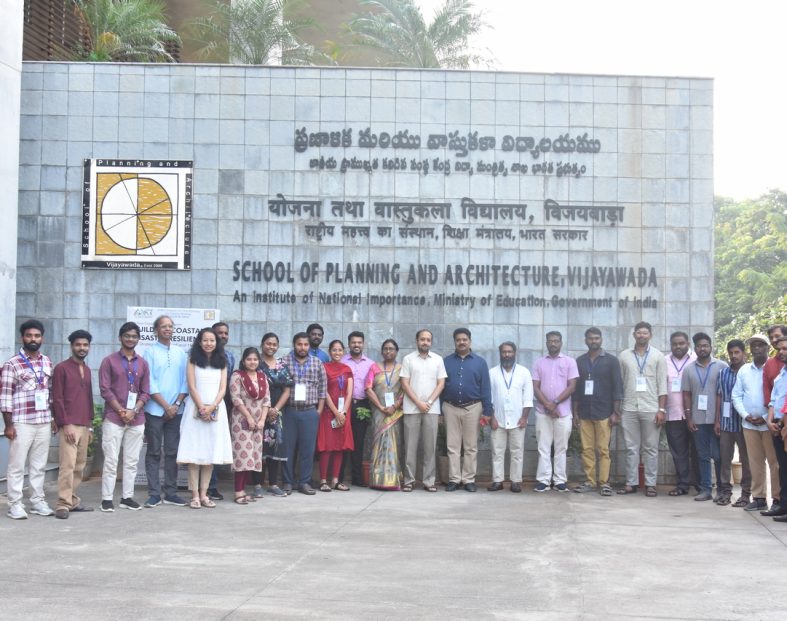
Training Details
CBP_25_01
Training Description
Building Coastal Disaster Resilience: R3 Strategies for Flood and Heat Stress
(CBP_25_01)
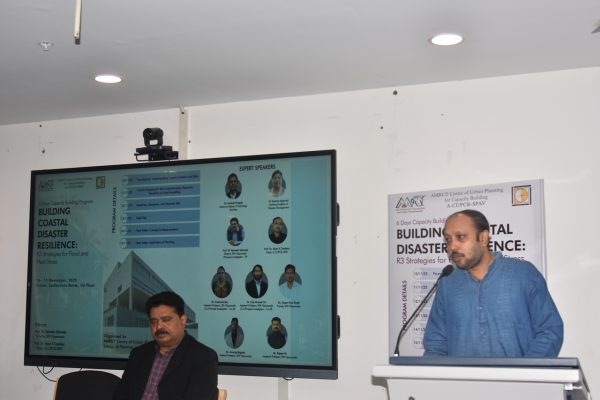
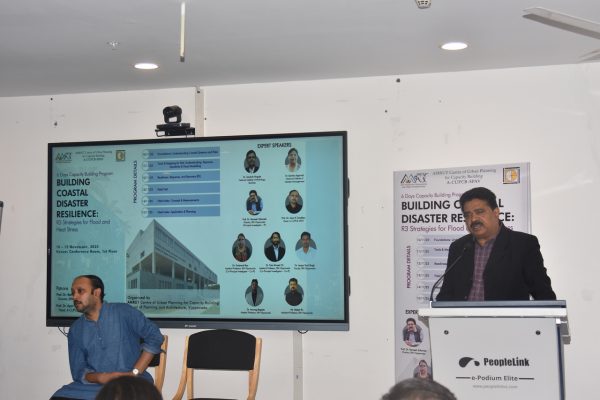
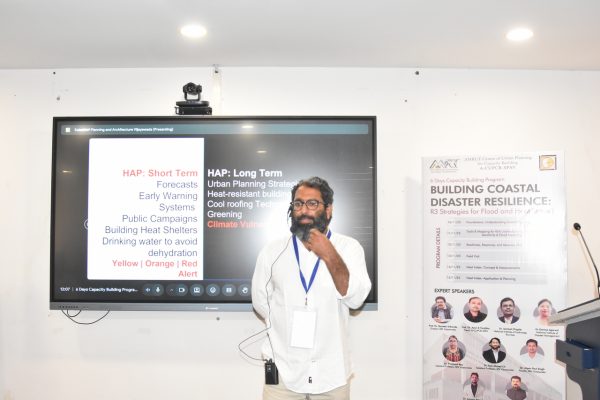
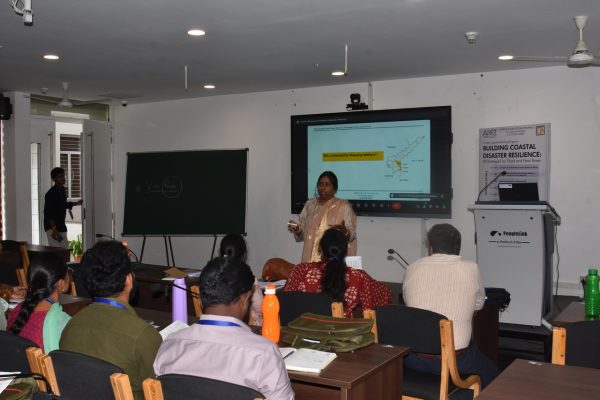
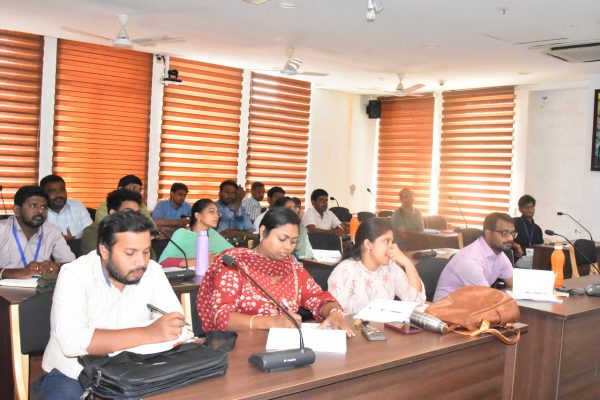
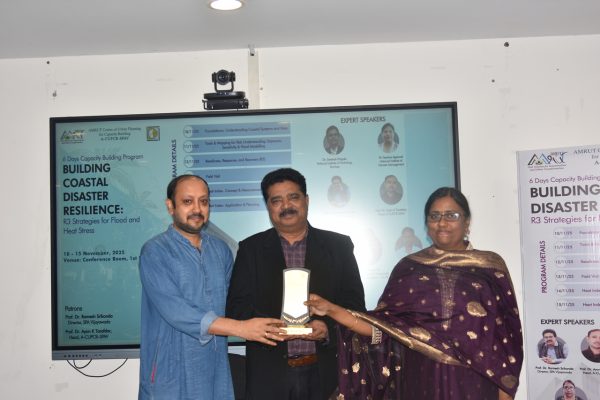
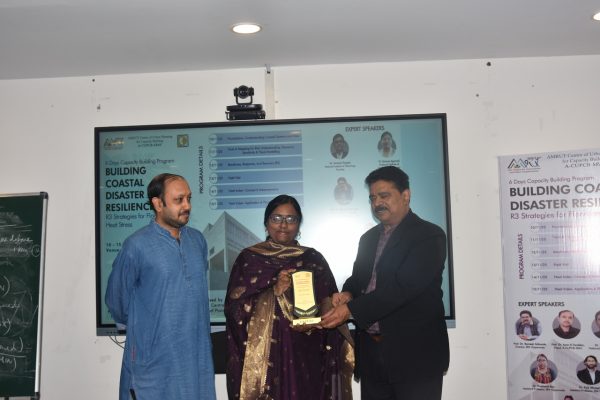
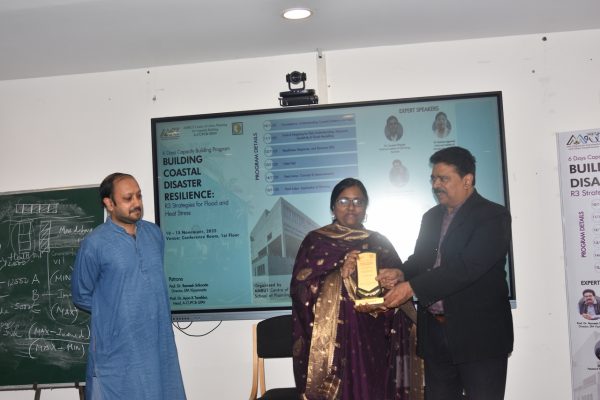
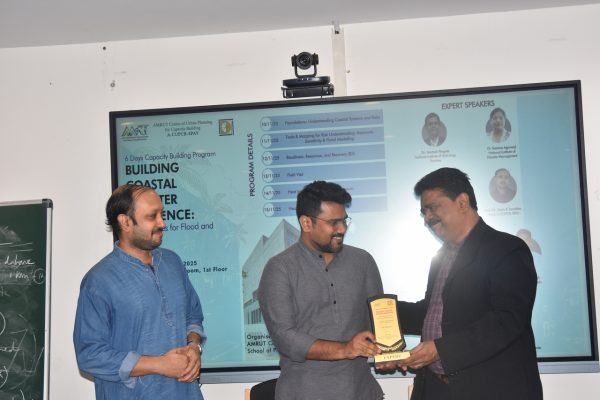
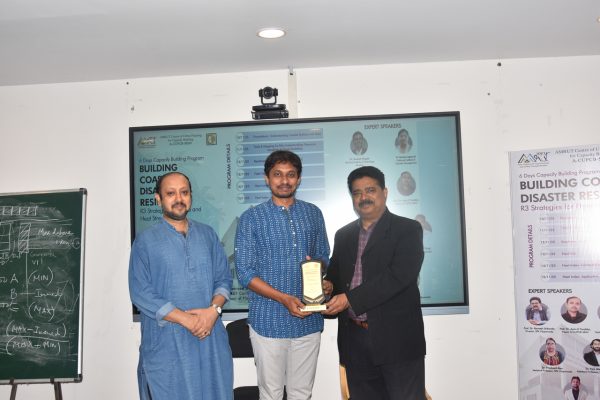
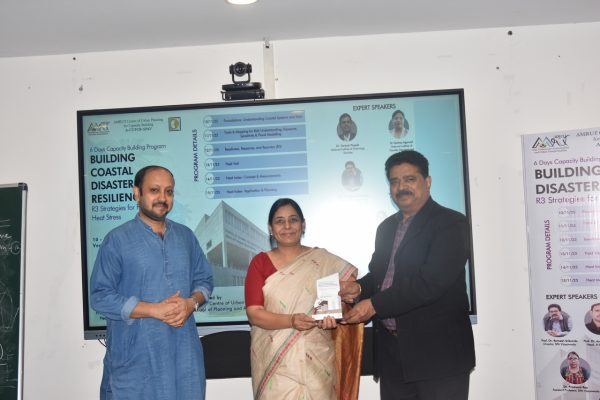
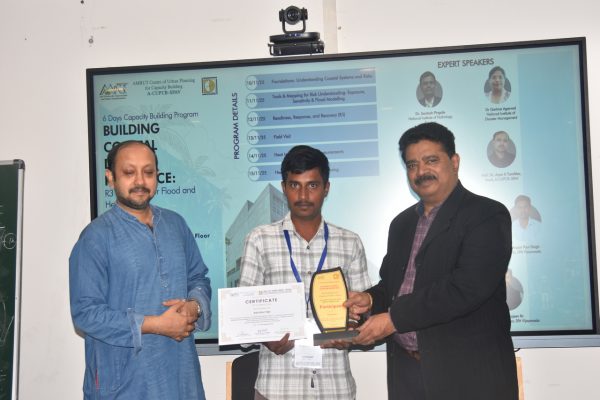
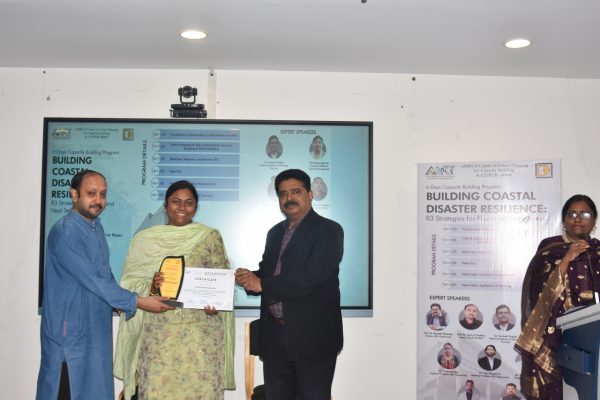
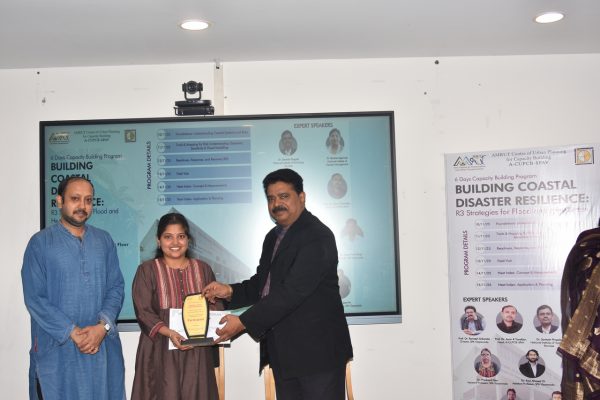
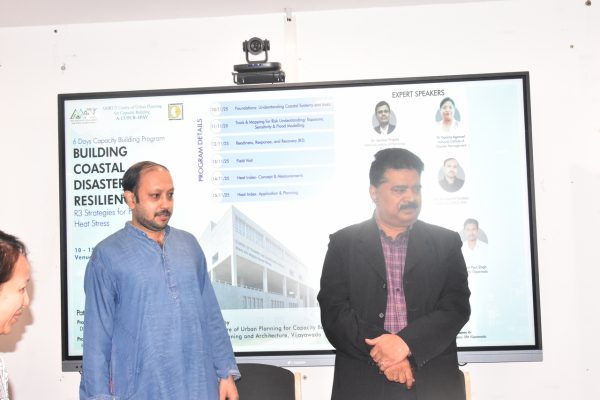
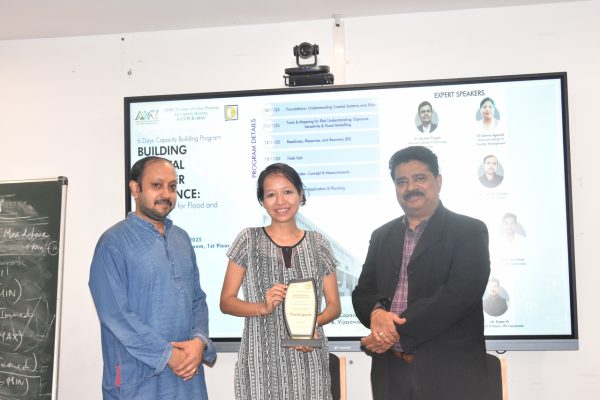
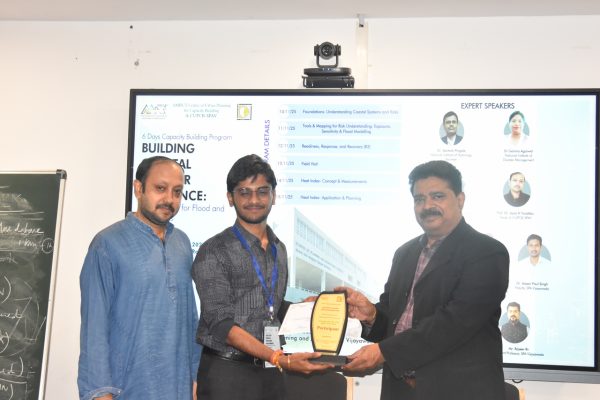
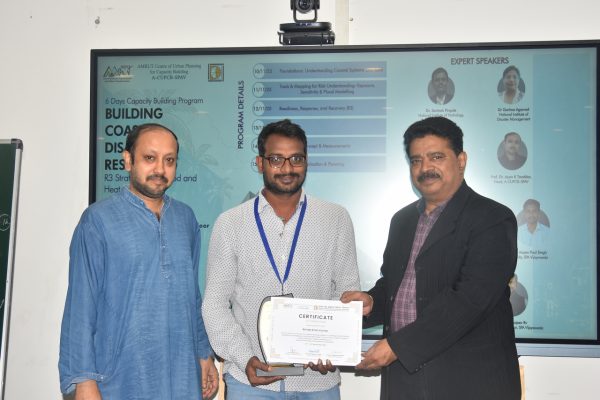
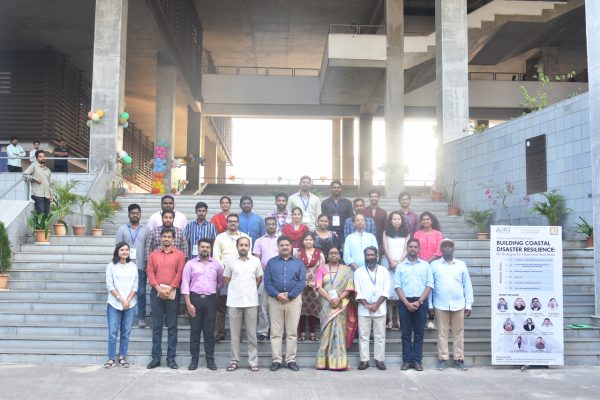
The project on “Pre-Post Disaster Management through R3 (Risk Reduction, Assessment, Mapping) for Floods and Heat Extremes for Coastal Communities” is essential as Coastal communities are highly vulnerable to climate-induced disasters, particularly floods and heat extremes. These extreme weather events lead to loss of life, damage to infrastructure, displacement, and economic setbacks. Climate change is intensifying the frequency and severity of such disasters, making proactive risk management critical. However, a significant gap exists in integrated pre- and post-disaster strategies tailored to coastal regions. The R3 Approach—Risk Reduction, Assessment, and Mapping—aims to enhance community resilience through a comprehensive disaster management framework. This project focuses on:
1. Risk Reduction: Strengthening early warning systems, promoting climate-resilient infrastructure, and implementing community-based disaster preparedness initiatives.
2. Risk Assessment: Identifying vulnerable hotspots through geospatial analysis, hazard modeling, and socio-economic impact assessments.
3. Risk Mapping: Developing interactive GIS-based risk maps to support real-time decision-making, resource allocation, and evacuation planning.
This initiative also supports long-term resilience and climate adaptation, fostering sustainable coastal development aligned with Sustainable Development Goals (SDGs), particularly SDG 11 (Sustainable Cities and Communities) and SDG 13 (Climate Action). Furthermore, the project promotes policy development, strengthening governance for coordinated disaster response.
Targeted Groups

Govt Officials

Officials from state and central governments

Researchers and PG students

Planning professionals from urban local bodies
A-CUPCB-SPAV
Training Benefits
Following this course, the participants will be able to
Relevance to Urban Local Bodies (ULBs) – Pre-Post Disaster Management through R3 (Risk Reduction, Assessment, Mapping) for Floods and Heat Extremes in Coastal Communities Urban Local Bodies (ULBs) play a crucial role in disaster preparedness, mitigation, and response, particularly in coastal cities vulnerable to floods and extreme heat events. The R3 Approach—Risk Reduction, Assessment, and Mapping—aligns with their mandate of ensuring urban resilience, sustainable infrastructure, and community safety.
Key Areas of Relevance
1. Urban Planning & Climate Resilience
ULBs can integrate risk assessment and mapping into their Master Plans and City Development Plans (CDPs) to guide land-use zoning, floodplain management, and heat mitigation strategies.
Promoting nature-based solutions, such as urban forests, blue-green infrastructure, and permeable pavements, can reduce flood and heat risks.
2. Disaster Preparedness & Early Warning Systems
ULBs can adopt real-time monitoring systems (IoT-based sensors, GIS mapping, remote sensing) to detect flood risks and heat stress hotspots early.
Strengthening emergency response coordination through disaster management cells and community training programs can improve preparedness.
3. Infrastructure & Service Delivery
Climate-resilient infrastructure, including flood-resistant roads, efficient stormwater drainage, and cooling shelters, can be prioritized in municipal projects.
ULBs can mandate building codes and heat-adaptive architecture in urban construction projects.
4. Community Engagement & Capacity Building
Public awareness programs on flood evacuation routes, heatwave adaptation, and emergency preparedness can enhance local resilience.
Engaging citizen groups, NGOs, and private stakeholders can foster participatory disaster management.
5. Post-Disaster Recovery & Urban Rehabilitation
ULBs can use risk mapping and satellite-based damage assessments for efficient relief distribution and infrastructure restoration.
Implementing resilient rebuilding policies can ensure sustainable urban growth post-disaster.
By adopting the R3 framework, ULBs can reduce vulnerability, improve disaster response mechanisms, and build long-term resilience for coastal communities, aligning with national disaster management policies and global climate resilience goals.
Deliverables and Outcomes:
- 1.Deliverables
- 2. Risk Assessment Report
- 3. Comprehensive report identifying hazards, vulnerabilities, and critical infrastructure in high-risk zones for ULBs, using data from remote sensing, GIS, and historical records.
- 4.Risk Maps
