


Project Details
Advocacy Research Project 2
Advocacy Project Description
White Paper Document on Applicability of Land Value Capture Methods in Indian
Project Code: ADVR_25_02

Research

Outreach

Engagement

Impact
Indian cities are expanding at an unprecedented pace, yet their capacity to fund essential infrastructure has not kept pace with demand. Municipal revenues have stagnated at around 1% of GDP – far below the levels seen in comparable nations – leaving Urban Local Bodies (ULBs) heavily reliant on grants and debt. This report explores Land Value Capture (LVC) as a transformative urban financing strategy that enables governments to reclaim a share of the unearned increases in land value created by public investments, policy decisions, and regulatory relaxations. The recovered value is reinvested to build infrastructure, improve services, and promote equitable growth.
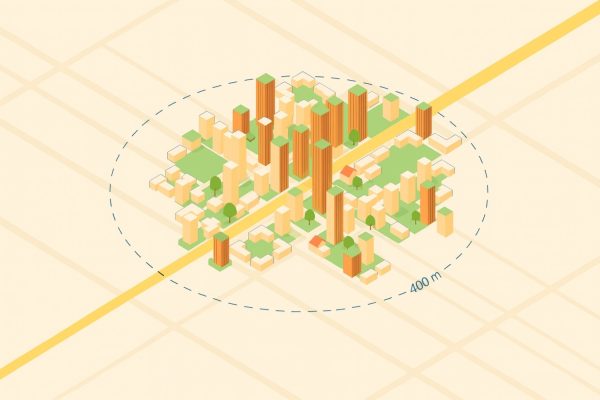
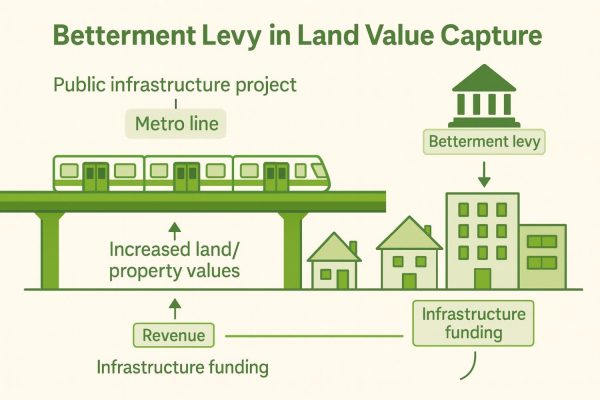
Drawing on both global and Indian experience, the report examines a portfolio of LVC instruments -Betterment Levies, Transfer of Development Rights (TDR), Tax Increment Financing (TIF), Vacant Land Tax (VLT), Land Use Conversion Fees (LUCF), Premium on Relaxation of Rules (PoRR), Land Pooling/Town Planning Schemes (TPS), Development and Impact Fees, and Land Value Taxation (LVT). Through case studies such as Bengaluru’s impact fees, Amaravati’s land pooling, Mumbai’s fungible FSI premiums, and São Paulo’s CEPACs, the report demonstrates the potential of LVC to generate 20–30% of infrastructure funding in high-value zones like Transit-Oriented Development (TOD) corridors. The analysis highlights how LVC aligns with national initiatives such as the Smart Cities Mission and AMRUT, supporting compact, sustainable, and climate-resilient urban growth. It also addresses operational challenges—ranging from legislative gaps to data limitations—and outlines strategies to institutionalize LVC within urban governance frameworks. By integrating LVC into mainstream planning and ensuring transparency in its application, Indian cities can create a self-sustaining, equitable revenue stream that not only bridges fiscal deficits but also shapes inclusive, well-planned, and future-ready urban environments.
